What Is Positive Neuropsychology—and Why It Works
If you’ve ever felt stuck in anxiety, burnout, or emotional overwhelm, you’re not alone—and you’re not broken. What you’re experiencing is often the result of how your brain has adapted to stress, trauma, and life demands.
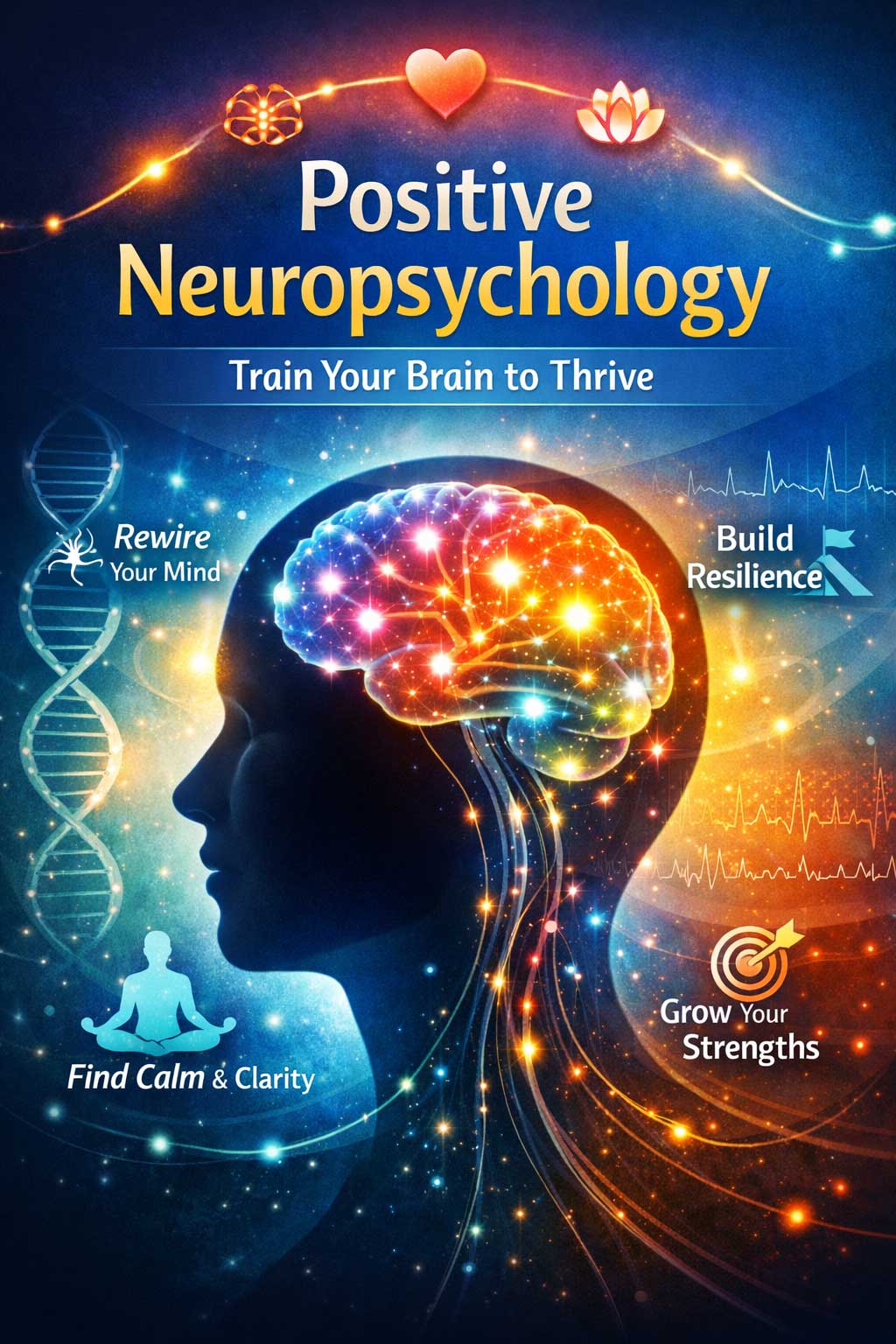
Positive Neuropsychology offers a different path forward. Instead of focusing only on symptoms or problems, it focuses on training the brain for strength, resilience, and long-term well-being.
As a counselor with a doctorate in Positive Neuropsychology, I will break down what it is—and why it works so effectively.
🧠 What Is Positive Neuropsychology?
Positive Neuropsychology is an approach that combines:
- Neuroscience (how the brain functions and changes)
- Positive Psychology (the science of human flourishing)
- Clinical counseling and behavior change strategies
At its core, it asks a powerful question:
What if we didn’t just reduce symptoms—but actually trained the brain to thrive?
Rather than only asking:
- “What’s wrong?”
It also asks:
- “What’s strong?”
- “What can be built, reinforced, and optimized?”
🔬 The Science Behind It: Your Brain Is Trainable
The foundation of Positive Neuropsychology is neuroplasticity—your brain’s ability to change based on experience.
Every thought, behavior, and emotional pattern strengthens specific neural pathways.
That means:
- Anxiety can become a well-worn neural habit
- So can confidence, calm, and resilience
The brain doesn’t just heal—it can be trained.
⚠️ Why Traditional Approaches Sometimes Fall Short
Traditional therapy often focuses on:
- Processing past trauma
- Understanding emotions
- Reducing symptoms
These are valuable—but often incomplete.
Here’s the gap:
👉 Insight alone doesn’t rewire the brain
👉 Talking about problems doesn’t always create new patterns
You can understand why you’re anxious… and still feel anxious.
Positive Neuropsychology bridges that gap by combining insight with intentional brain training to foster flourishing in life.
⚡ What Makes Positive Neuropsychology Different?
- It Focuses on Building, Not Just Fixing
Instead of only reducing anxiety or depression, it actively builds:
- Emotional regulation
- Mental clarity
- Resilience
- Purpose and meaning
It’s the difference between:
- “Getting back to baseline”
vs. - “Becoming stronger than before”
- It Works With the Brain—Not Against It
Your brain is designed for survival, not happiness.
That’s why:
- It scans for threats
- It holds onto negative experiences
- It defaults to stress under pressure
Positive Neuropsychology works with this system by:
- Repeating new patterns
- Reinforcing positive neural pathways
- Creating safety in the nervous system
Over time, the brain begins to prefer calm over chaos.
- It Integrates the Nervous System
Mental health isn’t just “in your head”—it’s in your body.
This approach incorporates regulation of the autonomic nervous system, including:
- Breathing techniques
- Somatic awareness
- Stress-reduction practices
This helps shift the body out of fight-or-flight response and into a state of safety and control.
- It Uses Repetition and Practice (Not Just Insight)
Change happens through consistent practice, not just understanding.
This includes:
- Thought pattern restructuring
- Behavioral activation
- Emotional regulation exercises
- Meaning and purpose development
In simple terms:
You don’t just learn your way into change—you train your way into it.
💡 Why Positive Neuropsychology Works
✅ It Rewires Neural Pathways
Repeated positive behaviors and thoughts strengthen new brain circuits.
✅ It Reduces Emotional Reactivity
By regulating the nervous system, you become less triggered and more grounded.
✅ It Builds Psychological Strength
Instead of just coping, you develop real resilience and adaptability.
✅ It Creates Lasting Change
Because it changes the structure and function of the brain—not just temporary states.
🔁 A Simple Example
Let’s say someone struggles with chronic anxiety.
Traditional approach:
- Explore triggers
- Process past experiences
- Learn coping strategies
Positive Neuropsychology adds:
- Daily nervous system regulation
- Intentional attention training
- Repetition of calm-based responses
- Reinforcement of safety cues
Over time, the brain begins to:
- React less intensely
- Recover more quickly
- Default to calm more often
🧬 From Survival Mode to Thriving
Many people live in a constant state of:
- Hypervigilance
- Overthinking
- Emotional exhaustion
This is often called “survival mode.”
Positive Neuropsychology helps you move into:
- Clarity
- Stability
- Confidence
- Purpose
It’s not about becoming a different person—it’s about helping your brain operate at its best.
🎯 Who Can Benefit?
This approach is especially effective for people who:
- Feel stuck despite insight or past therapy
- Struggle with anxiety, stress, addiction or burnout
- Have a history of trauma or high-pressure environments
- Want practical, science-based strategies
- Are motivated to actively grow—not just cope
🛠️ What Does It Look Like in Practice?
A Positive Neuropsychology-based approach may include:
- Brain-based counseling sessions
- Structured daily practices
- Nervous system regulation training
- Cognitive and behavioral exercises
- Strength and purpose development
It’s both scientific and practical—designed for real life.
🚀 Final Thought: You Can Train Your Brain to Thrive
Your brain adapted to your past—but it doesn’t have to define your future.
Positive Neuropsychology offers a clear message:
You are not stuck. Your brain is trainable.
With the right approach, you can move beyond just managing symptoms—and begin building a life marked by clarity, resilience, and lasting well-being.
About Dr. Randy Moraitis
Dr. Randy Moraitis holds a PhD in Positive Neuropsychology and is a Board-Certified Positive Neuropsychologist, Certified Intervention Professional (CIP), and CADC II. He is also a Board-Certified Pastoral Counselor, and Certified Professional Coach who has helped thousands of individuals and families with mental health, addiction, and wellness issues for over 25 years. Dr. Moraitis’s clients include therapists, physicians, dentists, attorneys, CEOs, and people from all walks of life. He is the leader of the nationally renowned recovery program Lifelines, the CEO and Founder of the nonprofit CarePossible, and has won numerous awards for his work in mental healthcare.
Dr. Randy is highly regarded for his work helping individuals and families navigate addiction, mental health challenges, and personal transformation through counseling, coaching, and professional interventions.
Randy also holds a master’s degree in theology and counseling, a bachelor’s degree in management and leadership, a graduate certificate in exercise physiology and sports psychology from UC Irvine, and numerous certifications in counseling and coaching.
Dr. Randy has guided individuals, families, and organizations toward mental, emotional, physical, and spiritual well-being throughout Orange County. He maintains a private practice office in Laguna Niguel, California, and sees clients and patients both in person and virtually.