meditation
By Randy Moraitis, MA, CIP, BCPC

In my last blog post (Meditation–Is It Worth My Time?), I shared the many benefits of meditation. As promised, here is a brief introduction on how to meditate.

Harvard, Yale, University of Massachusetts Medical School, and many other reputable organizations have produced research that meditation is a very effective treatment for anxiety, depression, addiction, smoking cessation and weight loss.

If you’d like to reap the benefits of meditation, then simply follow the steps below and you will be on your way.

Please keep in mind that it is a process. We don’t get fit the first time we work out at a gym. We have to work out regularly. In the same way, meditation should be done daily or several times per week to see results. So don’t get frustrated if you do not feel much different after the first few attempts!

Meditating

  • Find a quiet space where you won’t be interrupted for ten minutes.
  • Sit in a chair with your back straight and your hands resting on your knees or lap.
  • Relax your neck and shoulders.
  • Let your eyes unfocus and simply gaze into the middle distance.
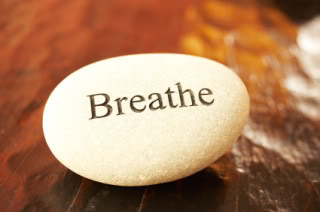
  • Take 5 deep breaths–in through the nose and out through the mouth.
  • Close your eyes on the last exhale.
  • Start to notice your body–your posture, the sensations where your body touches the chair and feet touch the ground.
  • Become mindful of your senses–notice all that you can hear, taste or smell. Don’t worry about noises that you may hear.
  • Now scan your body from head to toe and notice any tension or discomfort.
  • Scan again this time noticing which body parts feel relaxed.
  • Become aware of your thoughts–simply notice them–you can’t turn them off, so don’t worry about them–just be aware.
  • Notice your breathing–are the breaths shallow or deep? Strive for deeper, relaxed breathing for about 5 minutes.
  • Become aware of your physical sensations–the chair, feet on the floor, hands in your lap, anything your senses can observe.
  • Open your eyes slowly and calmly continue with your day. Try to keep this awareness (mindfulness) with you in all you do.

Over time, you will find yourself being present more with family, friends, work, and other moments throughout the day.

Modification–you may find it very helpful and uplifting to meditate on a particular verse, proverb, phrase or quote that encourages or inspires you. Meditate on the phrase during the 5 minute focused breathing section above.

The key to successful meditation is to take it slow and be consistent!

I would love to hear your thoughts on this subject. Email: randy@randymoraitis.com
Websites: www.randymoraitis.com, www.carepossible.com
By Randy Moraitis, MA, BCPC, CPC

Do you ever feel stressed out? Has anyone ever told you to “chill out”? If so, then it’s time you considered meditation as part of your daily routine.

Numerous highly regarded studies have shown that just 10 minutes of daily meditation can reduce anxiety, lower blood pressure, fight autoimmune diseases, and improve your attitude towards, and quality of, life.

Dr. Herbert Benson, Professor of Medicine at Harvard Medical School, says, “You should be meditating every day.” That is quite a call to action from one of our nation’s leading physicians!

This is because our every day stressors from work, family, and society evoke a fight-or-flight response which increases our heart rate, breathing and blood pressure. But because we are not actually always running and fighting our body doesn’t use the hormones produced from the stress.

Dr. Benson states that these unused hormones put us at risk for a variety of diseases and conditions including anxiety, depression, insomnia, infertility, heart attacks, strokes, and more.

Dr. Benson claims that we can negate the fight-or-flight response by developing our “relaxation response”, which he claims can be done through repetitive prayer, Yoga, and of course meditation.

Meditation is great for you mental health, your spiritual health, even your physical health–but did you know that meditation can also be great for your financial health? According to a study published in the American Journal of Hypertension patients who regularly practiced meditation had a 28% decrease in physician fees.

It’s your health and your wallet, but the facts are clear–spending 10 minutes a day meditating may be the best investment you ever make!

Don’t know how to meditate? No worries! In my next blog post I will teach the basics and get you started. It’s easier than you think. In the meantime, click here for a relaxation technique that will definitely help you chill out.

I would love to hear your thoughts on this subject. Has meditation helped you?
Email: randy@randymoraitis.com
Websites: www.thecrossing.com, www.randymoraitis.com, www.carepossible.com


According to new data published in the world’s leading general medical journal The Lancet, mental and substance use disorders were the leading causes of illness worldwide in 2010.

Harvey A. Whiteford, MD, of the School of Population Health at the University of Queensland, Australia, and colleagues wrote, “These disorders were responsible for more of the global burden than were HIV/AIDS and tuberculosis, diabetes, or transport injuries.”

Overall, mental and substance use disorders were the fifth leading cause of premature death and disease worldwide, and accounted for 22.9% of all nonfatal illness — more than any other disease!This is an alarming trend and in a press release Dr. Whiteford said, “barriers to mental health care must be addressed to reduce the global prevalence of mental and substance use disorders.”

A second study published alongside Dr. Whiteford’s stated that opioid dependence was responsible for the greatest burden of disease among all illicit drugs, accounting for 55% of the 78,000 deaths linked to drug use in 2010. The study also showed that more than two-thirds of individuals dependent on drugs were male — 64% each for cannabis and amphetamines and 70% each for opioids and cocaine, and the proportion of drug dependence increased in the highest-income countries.

What can you do to address the barriers to mental health and addiction treatment?

  • Get educated. We cannot fix what we do not understand.
  • Early intervention. If you or someone you know needs treatment for mental health or substance abuse issues, do all you can to encourage immediate treatment and research the treatment options.
  • Remove the stigma. Mental health and addiction issues should be looked at as disease, not personal failing. Surround these issues with support, not stigma or negativity.

To learn more or to help break through the barrier to treatment that so many face, visit www.carepossible.org. CarePossible is a nonprofit focused on making mental health care and addiction treatment possible for everyone.

I would love to hear from you. Please contact me at randy@randymoraitis.com. Websites: www.thecrossing.com and www.randymoraitis.com.

addiction

It is sad but true that addiction is so prevalent in society that most everyone knows someone who struggles with it. Having a friend or family member who is an addict is painful, confusing, and frustrating.

So what do you do when someone you care about is an addict? What can you do to help them and keep your sanity? Here are four steps to follow when you care about someone struggling with addiction.

First—confront them. Do it in a loving, but assertive and honest way. Tell them what you have observed and how that makes you feel. Do not ignore the problem and pretend as if nothing is wrong. If there is an elephant in the room, then point it out and start talking about it!

Second—do not enable them! Do not give money to someone active in his or her addiction. Do not cover for them and make excuses for them. No matter how much you love them, you must be strong and not enable their addictive behavior in any way at all.

Third—go to an Al-Anon meeting. This will accomplish two important items. First, you can’t change people, but you can influence them. The best way to influence someone else’s behavior is with your own. If you attend Al-Anon meetings and let the addict you care about know you are attending meetings as a result of their addiction, it may have some influence. Second, as someone who cares about an addict, you need support and guidance and Al-Anon is a great place to get it.

Fourth—do your very best to get your loved one into some sort of treatment. Addiction is serious and requires professional treatment. This can come in various forms including attendance in recovery meetings, working a 12 step program with a sponsor, counseling, or admittance to a treatment center. And, you may need to use an interventionist to get your loved one into treatment.

By following the four steps above you just may save a life. Feel free to email me if you have any questions randy@randymoraitis.com. Websites: www.randymoraitis.com, www.carepossible.org, and www.thecrossing.com.

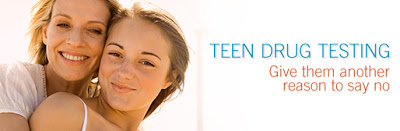
teen drug testing

Should I Drug Test My Teen?

People often ask me whether they should drug test their teen. I believe that home drug testing of teens is a great tool, but like any tool, it must be used properly. Here are some facts to guide you in your decision making:

Easy Access–Home drug tests can be purchased online or in most pharmacies. Before purchasing, be sure to do some research online, or ask your physician or pharmacist for their recommendation. Be aware that home drug tests do not test for every drug, but they are still very useful.

Peer Pressure Victory–Most teens will inevitably be faced with peer pressure or circumstances to try drugs. If you let your teen know that they will be randomly drug tested, then you are giving them a safe way out of these pressure filled situations. This can be very powerful!

Tested Positive—Now What?–Think through how you will respond if your teen tests positive. Start with an honest heart-to-heart and try to find out what is going on in your teen’s life. Schedule an appointment with a counselor specializing in addictions. Continue testing and if there are more positive results get your teen into treatment.

Tested Negative—Now What?–A negative test deserves praise and still serves as an opportunity for honest discussion about drugs and alcohol—a subject that many are uncomfortable to discuss. Create a culture in your family where it is safe to talk about anything.

Also, keep in mind that a negative test may also mean that drugs have simply already passed through your teen’s system and are no longer detectable. If you observe suspicious behavior, follow your intuition and test again soon or consult with your physician or a counselor.

Parenting teens is hard! The wise parent will use every tool in the toolbox and drug testing is a great tool. I’d enjoy hearing your thoughts on this subject. You can email me at randy@randymoraitis.com or visit my websites www.randymoraitis.com or www.thecrossing.com.

By Randy Moraitis, MA, BCPC, CPC

I once heard it said that raising a teenager is like trying to nail jello to a tree–very challenging. I should know, I’m on my fifth teen and I’ve got the gray hairs to prove it!

Parents of teens have so much to worry about when their teens go out–alcohol, illegal drugs, prescription drugs, texting while driving–the list is very long and very scary.

Before your teen goes out, as part of setting clear expectations and boundaries, be sure to ask these five questions:

1. What will you be doing?

2. Where will you be going?

3. Who will you be with?

4. When will you be home?

5. How can I reach you?

By asking these questions, and only allowing your teen to go out once you have the answers, you are being a very proactive and responsible parent and sending a message to your teen that you love them and are paying attention.

Next blog–“Should I drug test my teen?”

I’d enjoy hearing your thoughts on this subject. You can email me at randy@randymoraitis.com or visit my websites ==www.randymoraitis.com or www.thecrossing.com

addiction

Here is a brief list of frequently asked questions (FAQs) I receive about addiction:

1. How do I know if it really is an addiction? 

When a person requires increasing amounts of a habit forming substance, or compulsive behavior, they likely have an addiction. If there are negative consequences because of the substance use or behavior, this is usually a clear indicator that there is an addiction requiring treatment.

2. What should I do if think I am addicted?

According to the American Society for Addiction Medicine (ASAM) addiction is a bio-psycho-social-spiritual affliction that is very difficult to treat without help. If you think you are struggling with an addiction, seek help immediately! A great first step is to attend a support group such as AA or NA. Depending on the addiction, a medically supervised detox may be necessary, so consulting with a physician or checking into an addiction treatment center is advised.

3. What should I do if I suspect a loved on of having an addiction?

  • Confront them in love and let them know how their behavior makes you feel. Do not pretend as if nothing is wrong.
  • Do not enable your loved one! Do not give them money and do not cover for them. Let them experience the consequences of their choices.
  • Go to an Al-Anon meeting or similar support group for friends and families of addicts.
  • Do your best to get your loved one into treatment. Different parts of the treatment program include: detox, rehab, sober living, working a 12 step program with a sponsor, counseling, and having a recovery coach to aid in relapse prevention.
  • Consider an intervention if you have difficulty getting your loved on into treatment.

Addiction is a life and death problem. If you or someone you love struggles with addiction, get help now. For a list of resources to get you started click here.

As always, I would love to know your thoughts on this topic. Please feel free to email me or visit my website.