By Randy Moraitis, MA, CIP, BCPC

In my last blog post entitled “10 Facts About Opioids” I shared that according to the Centers for Disease Control (CDC) the United States is in the midst of a prescription painkiller overdose epidemic and discussed important facts about opioids such as heroin, vicodin, etc.

This post will follow up on our look at opioids with a discussion of treatment options for opioid abuse and addiction.

Treating Opioid Overdose
Currently there are some very effective drugs for opioid overdose. If someone overdoses on opioids and is barely breathing and close to death, an opioid antagonist such as naloxone, can be administered. This can provide immediate relief because it blocks the opioids from binding to the receptors in the brain.

Thankfully, more and more first responders, as well as citizens, have been trained in the use of naloxone and this has led to saving many lives.

Treating Opioid Addiction 
The first step to treating opioid addiction is detoxification (detox). Detox is extremely challenging because opioid users experience such intense withdrawal symptoms when they quit taking the drug.

I have seen this first hand numerous times while helping addicts get clean. I even once had an individual do their entire detox in my home without medication as they had no other treatment options. It can get messy and ugly!

Users encounter severe withdrawal symptoms that mirror the opposite effects of the drug. Instead of feeling euphoric, the user is extremely depressed. Instead of pain relief, users experience many aches and pains. Instead of constipation, users have diarrhea and other flu-like symptoms.

It is common to treat opioid addiction by administering a slower, longer acting opioid, such as methadone instead. Methadone maintenance is the most common treatment for heroin addiction and it has had significant success. One study showed that 80 percent of people who stick with a methadone maintenance program for one year end up abstinent from heroin for one to three years afterwards. By contrast, only 12 percent of people who drop out of methadone maintenance stay abstinent that long.

Other opioids are also regularly used in the treatment of heroin addiction. In fact, heroin itself is used in the treatment of heroin addiction in a number of countries. The idea is to give users a lower, but stable, prescription dose of heroin without all the risks associated with obtaining and using heroin on the street. Not surprisingly, heroin addicts are more likely to stick with a heroin maintenance program compared with a methadone maintenance program, and perhaps as a result, they’re less likely to use illegal drugs.

Other opioid drugs are frequently used in treating opioid addiction. Of course, this is very controversial as this is simply substituting one addiction for another.

Another common approach to treatment is to remove any reward associated with relapse. This is done by having the patient take an opioid antagonist such as naltrexone which blocks the rewarding effects of the opioids. This treatment works well with individuals highly motivated to quit who continue taking the naltrexone, but a problem arises when an individual gets very strong cravings and stops using the naltrexone.

In addition to pharmacological treatments, it can be most helpful if opioid addicts also receive cognitive behavioral therapy where they are trained to recognize and avoid their triggers for drug use.

It is also very helpful for the addict to receive counseling and coaching to move forward with a healthier life, and to be in a healthy supportive community which may include 12 step groups like Narcotics Anonymous or Lifelines.

Finding freedom from opioid addiction is very difficult, but it can be done with effective treatment, as well as healthy community and support in the life of the addict. If you have a loved one struggling with an opioid addiction, do not give up on them. Do all you can to get them into treatment, perhaps even an intervention, as it just may save their life!

For more information or to take the first step in getting a loved one help call 949-303-8264 or email randy@carepossible.org.

Websites: www.carepossible.org and www.randymoraitis.com
By Randy Moraitis, MA, CIP, BCPC
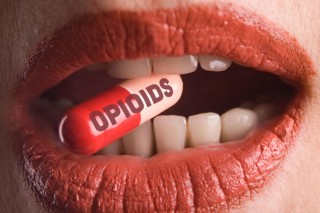
According to the Centers for Disease Control (CDC) the United States is in the midst of a prescription painkiller overdose epidemic. The most commonly abused opioids are:

  • Hydrocodone (e.g., Vicodin)
  • Oxycodone (e.g., OxyContin)
  • Oxymorphone (e.g., Opana)
  • Methadone (especially when prescribed for pain)

Frequently, when an individual no longer has access to prescription opioids, they turn to heroin which is both affordable and easy to acquire.

Presented here, with the goal of increasing awareness, are some basic facts about opioids.

1. Opium is the latex secreted from the seedpod of an opium poppy. Raw opium contains about 10 percent morphine and about 2 percent codeine. These are the opiate drugs, which just means that they’re natural products of the opium poppy. A number of other drugs, including heroin, are not contained in opium itself but are made from natural opiates or have very similar effects. These are sometimes called opioids.

2. The opiate drug morphine is among the most effective painkillers available today. Codeine has similar effects but is weaker than morphine. It’s often used to treat minor pain and as a cough suppressant. Of course, opium and drugs derived from opium are also often used recreationally, because they can produce a dreamlike, euphoric state.

3. People have known about those effects for a very long time. In fact, there’s evidence that the Sumerians knew about the psychoactive properties of the opium poppy plant as early as 3400 B.C. The Ancient Egyptians used opium medicinally. In the 1700s and 1800s, a mixture of alcohol and opium called laudanum became very popular and was widely used as a pain reliever, as a sleep aid, and to treat a variety of ailments. In the mid-1800s opium trade became a big business and even led to two wars, known as the opium wars, between the British and the Chinese.

4. In 1804, a German pharmacist isolated a pure alkaloid from opium and gave it the name morphine, after Morpheus, the Greek god of dreams. Morphine was more potent than opium or laudanum, and it became an invaluable tool to doctors in the treatment of pain. Morphine was administered to injured soldiers during the American Civil War.

5. In 1898, Bayer pharmaceutical company began selling a synthesized opioid that was one-and-a-half to two times more powerful than morphine, and it was marketed as a nonaddictive morphine substitute and cough suppressant—heroin. Bayer sold heroin for more than 10 years before its harmful effects were recognized and it was removed from the market. Heroin is now recognized to be among the most addictive drugs in the world.

6. Opioids are narcotic analgesics, which reduce pain without eliminating sensation. They’re distinguished from anesthetics, which reduce all sensation and often produce unconsciousness. Opioids also produce a dreamlike, euphoric state, which is what makes them attractive to recreational drug users, at least initially.

7. At higher doses, opioids produce a rush of euphoria. But the nauseating effects can become more severe, and some people also experience anxiety and restlessness. The most dangerous effect is a significant suppression of breathing. In fact, in an opioid overdose breathing can be suppressed enough to lead to death.

8. About 45 people in the United States die every day from overdosing on a prescription painkiller—that’s more than the number of overdose deaths from heroin and cocaine combined.

9. Similar to other drugs, opioids overstimulate the brain’s reward circuit and trigger a large release of dopamine. The brain interprets that dopamine as a reward prediction error, or an indication that taking the drug was better than expected. That reward prediction error in turn backs up to environmental cues that are associated with drug taking, so when the user encounters those cues in the future, he or she experiences a very strong craving to use the drug.

10. There are some very effective treatments for opioid overdose. If a drug user overdoses on opioids, is barely breathing, and is close to death, if someone administers an opioid antagonist drug, such as naloxone, the drug user will recover almost immediately, because the opioid will be blocked from binding to the opioid receptors.
If you have any prescription opioids in your home, be sure to keep them stored securely so any guests or visitors to your home will not be able to access them as these meds are frequently stolen.
In my next blog post we will look at treatment for opioid addiction. Special thanks to Professor Thad Polk of the University of Michigan for contributions to this blog.

If you or a loved one are affected by an opioid addiction, please contact me at randy@randymoraitis.com or 949-303-8264 to discuss options for healing.

You can visit my websites at www.randymoraitis.com and www.carepossible.org.

About Randy Moraitis

Randy is married to Kim and they live in Laguna Niguel. Together they have a blended family of five adult children and three beautiful grandchildren. (If you don’t believe Randy he will gladly show you pictures!)Randy is a Certified Intervention Professional (CIP) and expert in helping families affected by addiction and/or mental health issues. He is a Board Certified Pastoral Counselor and is both licensed and ordained as a pastoral counselor. He has five professional coaching certifications and loves working with clients on executive coaching, life coaching, wellness coaching and recovery coaching. Randy has a master’s degree with emphasis in theology and counseling, a bachelors degree in management and leadership, and a certificate in health and fitness with emphasis in exercise physiology and sports psychology from UC Irvine. He has been helping groups, individuals and families get mentally, physically and spiritually healthy in Orange County for over 25 years.

We use our phones and hand held devices for so many things! So why not mental health and wellness? Here are 5 great apps that offer help for a variety of afflictions and issues. Check them out, give them a try, and please share so we can all spread good mental health together!

1. Stop, Breathe & Think–This is a great, free app that has a 5 star rating and is a Webby Award Winner. I love this app and use it myself for relaxation and meditation. I also have many of my counseling and coaching clients use this app with great success.

The app is a simple tool to guide one through a variety of basic mindfulness meditations. Users can also check in with how they’re feeling and even notify their counselor or friend once a meditation has been completed.


2. Balanced–This is another free, 5 star rated app. Balanced helps users stay focused and motivated on their priorities. This app allows users to set a variety of goals each week, and helps one feel rewarded, in control, and focused on what to do next for success.
I personally use this app to remind me of weekly goals such as watching a TED Talk, meditating, and being thankful.


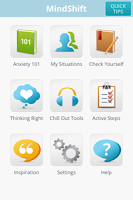
3. Mindshift–This app is specifically designed for those struggling with anxiety. Although not as highly rated as the above apps, my experience is that counselors love what this app does for their clients as a tool for managing and working through anxiety. The app includes a section on situations that trigger anxiety and how to have healing, as well as some great “chill out” tools and Twitter-worthy inspirational quotes.
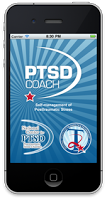
 

4. PTSD Coach–This is a great app that was developed by the Department of Veteran Affairs National Center for PTSD. Although originally intended for use by vets with PTSD, a quick read through the reviews shows that many civilians have been helped by this app as well.

I am passionate about serving our military, treating PTSD, and preventing military suicide, so naturally I am a big fan of this app and hope readers of this blog will share so all our military families learn about PTSD Coach.


5. Optimism–This is a 4 star rated app that helps users with self-tracking as a tool for coping with mental health issues such as anxiety, depression, bipolar disorder and PTSD. The app allows users to create a custom wellness plan and is particularly useful when the user is working with a mental health professional.
Give these apps a try if you could use some support and coaching right at your fingertips. And if you know of a great app that you recommend, please share in the comments section.

And please help spread good mental health by sharing this blog post. Thank you!

Feel free to email me at randy@randymoraitis.com or call me at 949-303-8264 for more info about this topic or my counseling, coaching or intervention services. Find me on the web at www.randymoraitis.com and www.carepossible.org.

About Randy Moraitis

Randy is married to Kim and they live in Laguna Niguel. Together they have a blended family of five adult children and three beautiful grandchildren. (If you don’t believe Randy he will gladly show you pictures!)
Randy is a Certified Intervention Professional (CIP) and expert in helping families affected by addiction and/or mental health issues. He is a Board Certified Pastoral Counselor and is both licensed and ordained as a pastoral counselor. He has five professional coaching certifications and loves working with clients on executive coaching, life coaching, wellness coaching and recovery coaching. Randy has a master’s degree with emphasis in theology and counseling, a bachelors degree in management and leadership, and a certificate in health and fitness with emphasis in exercise physiology and sports psychology from UC Irvine. He has been helping groups, individuals and families get mentally, physically and spiritually healthy in Orange County for over 25 years.

By Randy Moraitis, MA, CIP, BCPC

Do you have a family member in recovery from addiction? Maybe drugs, maybe alcohol, maybe both? If so, then you know all about the pain, the stress, and the fears that are part of your family culture.

I also know all about the pain, stress and fears–you see I write this post not only as a counselor who deals with families affected by addiction on a daily basis, but also as a person whose family has been impacted by addiction for several generations.

There are a lot of metaphors used to describe what it’s like to have a family member who is an addict:
it’s like living in the eye of a storm.
it’s like always having to walk on eggshells.

While the sayings give a glimpse into what it’s like to have an addict in the family, they really don’t express the depth of the pain and anguish that family members–parents, children, siblings–go through when their loved one is afflicted by addiction.

Here are 5 tips to help families to move in the direction of healing.

But first, a very important question: Are you a family with someone in recovery, or are you a family in recovery? 

Families who see themselves as simply having someone in recovery are much less likely to have healing than families who see themselves as a family in recovery.

Addiction is a family disease. It’s not just the problem of the addict, it’s the whole family’s problem! The best possible scenario is when the whole family works on getting healthier. Be a family in recovery!

5 Tips for Families in Recovery

These tips are designed to give families a big picture outlook on what to expect on the recovery journey and how to best move the family from unhealthy to healthy.

1. Be Aware–the members of the addicts family will still have about the same level of stress and anxiety during the first 4-12 months of their loved one’s sobriety. They may still be dealing with financial or legal fallout from when the addict was using. Or they may be expecting a relapse and dreading every phone call.

2. Be Awarethings might actually get worse during the first 4-12 months of the loved one’s sobriety. They may discover serious health issues or have to serve jail time. Family members may be frustrated with huge bills from treatment.

3. Be Aware–intense family or marriage therapy is counterproductive during the first 4-12 months. Instead focus on getting the family structure back in place, work on individual issues, and work on parenting and family operations.

4. Be Aware–during the first 4-12 months abandonment may be added to the family experience. Either the addict feels abandoned by the family, or the family feels abandoned by the addict. An addict working a healthy recovery program will often go to many meetings and start hanging out with a new crowd. This may make their family feel abandoned at first. It’s OK. Let go and focus on your personal growth and healing.

5. Be wise–I highly recommend all family members get connected with appropriate groups such as Al-Anon, CoDa, Lifelines, AA, NA or other support group. This will help bring healing to all the individual members of the family and help prevent the family from falling back into old, unhealthy patterns.

What are your thoughts on this topic? Comment below or email me at randy@randymoraitis.com. Visit my website www.randymoraitis.com for info on counseling or coaching, and our nonprofit foundation CarePossible at www.carepossible.org.

About Randy Moraitis

Randy is married to Kim and they live in Laguna Niguel. Together they have a blended family of five adult children and three beautiful grandchildren. (If you don’t believe Randy he will gladly show you pictures!)

Randy is a Certified Intervention Professional (CIP) and expert in helping families affected by addiction and/or mental health issues. He is a Board Certified Pastoral Counselor and is both licensed and ordained as a pastoral counselor. He has five professional coaching certifications and loves working with clients on executive coaching, life coaching, wellness coaching and recovery coaching. Randy has a master’s degree with emphasis in theology and counseling, a bachelors degree in management and leadership, and a certificate in health and fitness with emphasis in exercise physiology and sports psychology from UC Irvine. He has been helping groups, individuals and families get mentally, physically and spiritually healthy in Orange County for over 25 years.

By Randy Moraitis, MA, CIP, BCPC

Hardly a day goes by that I am not approached by someone–either an addict in recovery who is struggling to stay clean, or the loved one of an addict concerned about their loved one relapsing and overdosing.

These are people from all walks of life, yet they usually ask the same question—a question truly born out of desperation, and that question is: “What should I do?”

To help answer that question I offer these 8 Tools for Relapse Prevention. If an addict in recovery sincerely works in these eight areas they will greatly reduce the likelihood of a potential fatal relapse. This is important for both the addict and the family to know.

8 Tools for Relapse Prevention

1. Meetings—addicts need to go to recovery meetings such as AA, NA, CA, Celebrate Recovery, or Lifelines.Meetings are where you learn new things to help the brain heal from the damage caused by the addictive behaviors, and where you can find encouragement from hearing the experience, strength and hope of others staying clean. There is great wisdom in attending 90 meetings in 90 days for those trying to get and stay clean.

2. Counseling—addicts often have some deep down issues that, if never addressed, will continue to
rear their ugly heads and possibly trigger relapse. Issues such as anxiety, depression, and trauma can be processed with a good counselor or therapist and the addict can be given tools to grow in healthy ways. The counselor may also recommend a medical exam for a complete assessment and treatment plan.

3. 12 Steps—the 12 steps are an amazing tool for healing and spiritual growth. I highly recommend everyone work through the steps as they are even beneficial to those not in recovery from addiction. Here is a great site with info on the 12 steps: http://12step.org/

4. Sponsor—addicts need a sponsor to guide them through the 12 steps. I recommend a sponsor be of
the same sex, have one year or more of sobriety, and have worked through the steps with their own sponsor. The addict should find a sponsor they trust who meets these guidelines, then take direction from the sponsor.

5. Health and Wellness—this includes a healthy diet, regular exercise, stretching, and relaxation/meditation. I highly recommend those in recovery find a healthy activity that they enjoy such as crossfit, martial arts, running, surfing, or yoga. This will give them some good clean fun, get those endorphins flowing, and often lead to making new, healthy friends.

6. Family Support—addiction is a family disease. If you have a family member or loved one impacted by addiction, guess what? You are impacted by addiction! Family members of addicts will help the addict, and themselves, by attending Al-Anon or CoDa meetings. Seeking counseling to learn healthy ways to support the addict
without enabling, as well as how to have healthy self-care is also recommended.

7. Recovery Coach—a good recovery coach will give the addict numerous tools to stay clean and sober and hold them accountable in their growth and sobriety. Additionally, a recovery coach will guide the addict to find purpose in life. Once a person has purpose and they are passionate about it, they are more likely to stay focused on achieving their purpose and less likely to relapse.

8. God—the 12 steps were designed to take people on a spiritual journey and trust in a higher power. Many addicts fresh in their recovery have no idea who their higher power is. That’s normal and to be expected. My personal experience is that I have seen thousands of addicts over the years have great success choosing God as their higher power. Having a spiritual foundation gives one much needed strength during times of temptation and triggers. The Life Recovery Bible is a great resource to learn more about the intersection of faith and recovery, and prayer can be a powerful tool for healing.

I would love to hear if you have any tools you recommend for relapse prevention. You can email me at randy@randymoraitis.com or visit my website for more info on counseling and recovery coaching www.randymoraitis.com, or visit our nonprofit foundation CarePossible at www.carepossible.org for info and resources for those in need.

By Randy Moraaitis

If you have never been to a 12 step meeting, then you probably have no idea what the 12 steps are all about, other than perhaps associating the steps with addicts. Following is a very brief overview of the 12 steps to help spread awareness.

The 12 steps are a set of guiding or spiritual principles originally designed to help those struggling with alcoholism. The steps have proven to be a very effective tool for many people struggling with, not only alcoholism, but addictions and compulsions of many varieties including drugs, food and pornography.

The following are the original twelve steps as published by Alcoholics Anonymous:

1.  We admitted we were powerless over alcohol—that our lives had become unmanageable.

2.  Came to believe that a Power greater than ourselves could restore us to sanity.

3.  Made a decision to turn our will and our lives over to the care of God as we understood Him.

4.  Made a searching and fearless moral inventory of ourselves.

5.  Admitted to God, to ourselves, and to another human being the exact nature of our wrongs.

6.  Were entirely ready to have God remove all these defects of character.

7.  Humbly asked Him to remove our shortcomings.

8.  Made a list of all persons we had harmed, and became willing to make amends to them all.

9.  Made direct amends to such people wherever possible, except when to do so would injure them or others.

10. Continued to take personal inventory, and when we were wrong, promptly admitted it.

11. Sought through prayer and meditation to improve our conscious contact with God as we understood Him, praying only for knowledge of His will for us and the power to carry that out.

12. Having had a spiritual awakening as the result of these steps, we tried to carry this message to alcoholics, and to practice these principles in all our affairs.

A great benefit of the steps is that those who sincerely work through the 12 steps can live healthier and more honest lives than those who do not. There are numerous types of 12 step groups and meetings where one can find the steps being put into practice including:

  • AA—Alcoholics Anonymous
  • NA—Narcotics Anonymous
  • CA—Cocaine Anonymous
  • MA—Marijuana Anonymous
  • SA—Sexaholics Anonymous
  • OA—Overeaters Anonymous
  • CoDa—Codependents Anonymous
  • Al-Anon—for friends and family of addicts

12 step groups are a great source of free therapy. If someone cannot afford traditional therapy or counseling, they just might find a lot of healing in a 12 step group related to their struggles.

There are many variances between 12 step groups, so if you try one that is not a good fit, don’t give up—try another one. A simple Google search will lead to meeting schedules and descriptions.

Bottom line—the 12 steps are a great tool for healing, so if you’re new to the steps read through them a few times and see how they could grow you—even if you’re not an addict.

I would love to hear your thoughts on this topic. For more info, or for help finding a meeting, please contact me at randy@randymoraitis.com.

Websites: www.carepossible.org and www.randymoraitis.com.

Here are the Top 5 Wisdom on the Way Blog Posts of 2014

What was your favorite blog post of 2014?  I would love to hear your comments! You can email me at randy@carepossible.org.

Websites:
www.carepossible.org
www.thecrossing.com
www.randymoraitis.com

By Randy Moraitis, MA, CIP, BCPC

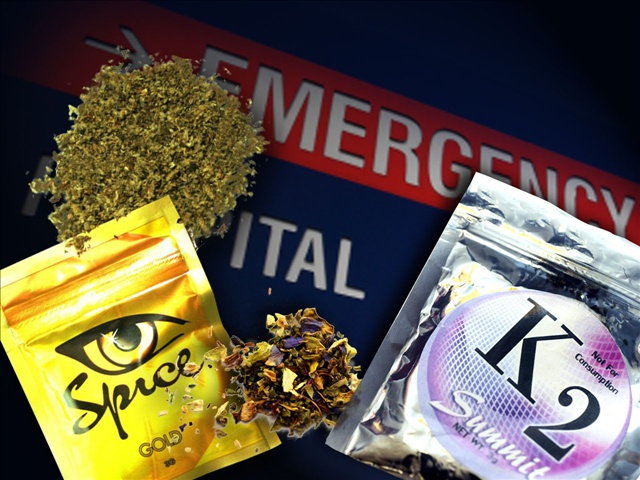
K2, Spice, and bath salts are designer drugs that frequently make the news because of their link to overdose deaths and abnormal behavior. In fact, just this past March there were several teen deaths in Washington State caused by designer drugs.

Designer drugs problems are not isolated to America. Europe has seen a huge influx of designer drugs, and earlier this month New Zealand actually banned all designer drugs making them illegal. (Something I believe all countries must do!)

I learned the truth about these substances at a seminar taught by a leading physician/scientist in the field of addiction and designer drugs. Here are the important highlights that everyone needs to know:

  1. K2 and Spice are often considered a marijuana replacement because they resemble marijuana and are smoked.
  2. K2 and Spice are actually nothing like marijuana in their chemical composition.
  3. K2 and Spice are chemically similar to a combination of methamphetamine and LSD.
  4. K2, Spice, and Bath Salts are very dangerous. The original inventor said that these substances were not for human consumption.
  5. Designer drugs can be very addictive.
  6. K2, Spice, and bath salts can cause permanent brain damage or psychosis, including schizophrenia, after one use.
  7. Designer drugs kill brain cells.
  8. Spice causes delirium, a sudden severe confusion.
  9. People can have flashbacks from Spice and bath salts.
  10. Chemists frequently change the molecular composition of designer drugs to stay one step ahead of drug tests, so designer drugs often go undetected.

I urge every parent and care giver of children and teens to learn the facts about designer drugs and then share them with your kids. Kids think that designer drugs are harmless because they can buy them in stores or online. Nothing could be further from the truth. We need to educate our families and our communities about the serious dangers of designer drugs!

Please share this post with others to save lives and prevent overdoses.

I would love to hear your comments! You can email me at randy@carepossible.org.

Websites: www.carepossible.orgwww.randymoraitis.com

Intervention

By Randy Moraitis, MA, CIP, BCPC

If you have a loved one who is struggling with addiction–to drugs, alcohol, food, gambling or other behavior, then you are probably stressed, worried, frustrated and angry.

You’re probably wondering what you can do to help your loved one, or if there even is anything you can do to help your loved one. There is a myth that we must wait for an addict to bottom out. The truth is that for many addicts their bottom is death.

Addiction is a disease, and caring people do not wait for someone with a disease to die. Caring people do all they can to get the person with the disease into proper treatment.

For those afflicted with the disease of addiction, a proven way to get them into treatment is to do an intervention. Now, we have all seen interventions done on TV shows or in movies, so we all have an idea of what an intervention is like.

But the truth is that the method of doing interventions has greatly evolved over the years. No longer do we need to surprise our loved one and simply read letters to them (without even making eye contact!).

There is now a more effective (and more user friendly) method of intervention developed and refined by nationally known interventionist Brad Lamm who is the interventionist for The Today Show, Dr. Phil and The Dr. Oz Show.

This method is known as an invitational intervention and has as it’s ultimate goal to get your loved one to say yes to a change plan moving them towards healthier behaviors. With the support of the loved one’s family and friends, along with the guidance and pre-planning of the trained interventionist, the loved one will be set up for success and given an opportunity that may save their life as well as bring healing to the entire family.

If you do have a loved one struggling with addiction, you have options. As a Certified Intervention Professional I am happy to answer any questions you have and guide you towards the best help for your particular set of circumstances. Please feel free to contact me at randy@randymoraitis.com.

Websites: www.carepossible.comwww.randymoraitis.com

By Randy Moraitis, MA, BCPC, CPC

Mindfulness is a hot topic today in both psychology and medicine. According to Psychology Today, mindfulness “is a state of active, open attention on the present. When you’re mindful, you observe your thoughts and feelings from a distance, without judging them good or bad. Instead of letting your life pass you by, mindfulness means living in the moment and awakening to experience.”

I first became mindful of mindfulness (sorry, I couldn’t resist the bad pun) several years ago while spending time with a friend who is a double board certified physician (family medicine and addictionology).

My friend was passionately extoling the virtues of mindfulness meditation in treating addiction, anxiety, depression, and more. As a pastor I was leery of the eastern mysticism baggage attached to my idea of mindfulness, but intrigued by the potential for healing. So I decided to do some research.

What I learned was both surprising and interesting. After Dr. Jon Kabat-Zin included a mindfulness treatment protocol (MBSR) at the University of Massachusetts for chronic pain, research on mindfulness meditation exploded and today most major medical schools have a mindfulness center as part of their school or hospital.

As my physician friend told me, mindfulness as part of one’s treatment, has indeed helped many patients with addiction, anxiety, depression, attention disorders, and pain management.

And regarding my concerns as a pastor—I found the work of Mark J. Myers, Ph.D. to be reassuring. Dr. Myers conducted a study at Liberty University in 2012 that showed that not only does mindfulness meditation successfully treat anxiety, depression, chronic pain and more, but mindfulness may also improve one’s ability to be present with God. I love a good win-win!

If you or someone you know suffers from addiction, anxiety, depression, attention deficit issues, or chronic pain, give mindfulness meditation a try.

Click here for a meditation you can do right now.

I would love to hear your thoughts on this subject.
Email: randy@randymoraitis.com
Websites: www.thecrossing.comwww.randymoraitis.com, www.carepossible.com